
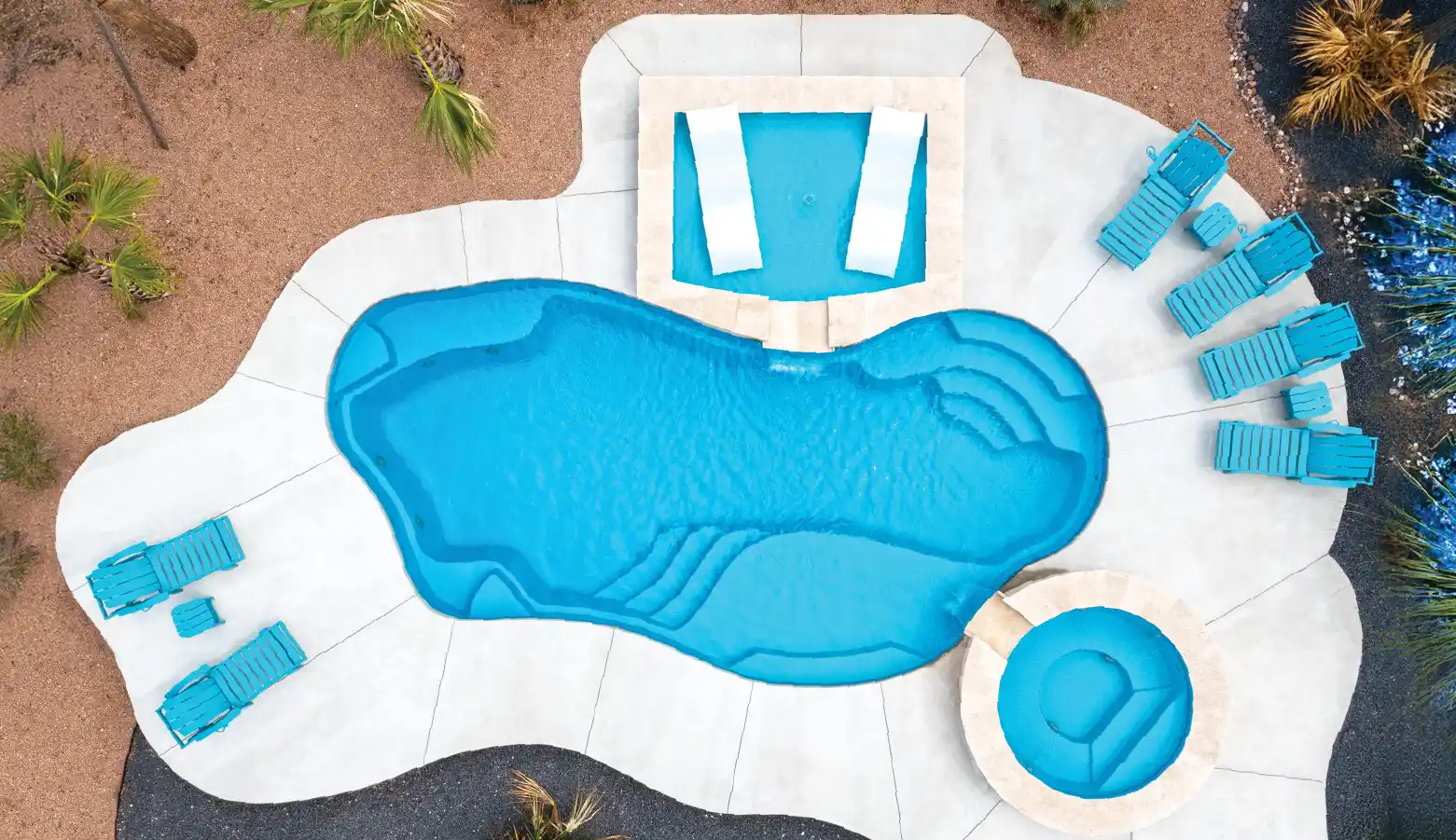
A backyard swimming pool isn’t just a luxury — it’s a long-term investment in your lifestyle, your home, and your family’s enjoyment. But a successful swimming pool project doesn’t start with digging. It starts with planning.
At Aviva Pools Nashville South, we’ve helped countless homeowners navigate the swimming pool construction process with confidence by focusing on the details that matter most. Our ultimate pool planning guide covers 11 essential things to know before you break ground on your swimming pool and backyard oasis:
1. Understand Local Zoning and Permitting Requirements
Before you start dreaming about swimming pool shapes and water features, check your local building codes. Zoning ordinances dictate how close your swimming pool can be to property lines, structures, and wetlands. Permitting ensures your swimming pool meets safety, environmental, and structural standards. Failing to comply can result in costly delays or fines. A reputable swimming pool builder will help manage this process from start to finish.
2. Review HOA Guidelines (If Applicable)
If your neighborhood has a homeowner’s association (HOA), get familiar with their swimming pool regulations. HOAs may limit swimming pool placement, fence styles, or require architectural review. Getting approvals early can prevent project delays and unexpected design changes later.
3. Identify Utility Lines Above and Below Ground
Overhead power lines and underground utilities can severely impact your swimming pool layout — and your budget. Underground utility mapping is required before excavation to avoid costly and dangerous damage. In some cases, utility rerouting may be necessary, and that takes both time and coordination.
4. Evaluate Site Access for Equipment and Materials
Large equipment is needed to excavate and install an inground swimming pool. If your yard has narrow gates, tight corners, or steep slopes, it may limit access — requiring smaller equipment, longer timelines, or added labor. A site evaluation will determine if temporary fencing, grading, or alternate access points are needed.
5. Assess Drainage and Site Grading
Water has to go somewhere. If your yard doesn’t have proper slope or drainage, you could end up with pooling water or soil erosion. Grading adjustments, French drains, or retaining walls may be required to prevent water from flowing toward your swimming pool or home. Good drainage planning protects your investment for years to come.
6. Choose the Right Swimming Pool Type for Your Lifestyle
Gunite, vinyl, and fiberglass swimming pools each have their place — but fiberglass swimming pools offer unmatched speed, strength, and ease of maintenance. They come pre-molded in sleek designs and can be installed in weeks rather than months. Plus, they resist algae growth and don’t require resurfacing over time, making them a smart long-term choice for busy homeowners. It’s important to know the true lifetime ownership of a gunite, vinyl, and fiberglass swimming pool to help you choose the right swimming pool type for your budget and lifestyle.
7. Budget for the Full Project, Not Just the Swimming Pool
Many homeowners overlook the cost of the “surroundings” — decking, fencing, landscaping, lighting, and accessories. These finishing touches are what make your backyard feel like a true retreat. Plan a realistic budget that includes everything from start to swim-ready finish.

8. Plan for Swimming Pool Equipment Location and Access
Pumps, heaters, and filters need a dedicated space that’s both functional and discreet. Think about noise levels, airflow, and maintenance access. Swimming Pool equipment pads should be placed where they won’t detract from the aesthetics or usability of your outdoor living space — but are still serviceable when needed.
9. Don’t Overlook Swimming Pool Safety Requirements
In many areas, swimming pools must be enclosed with a code-compliant fence and self-latching gate. You may also want to consider a swimming pool alarm, cover, and non-slip surfaces — especially if you have young children or pets. Building safety in mind from the beginning protects both your family and your investment.

10. Time Your Project Strategically
Swimming pool installation is weather-sensitive. Early spring or fall is often the sweet spot to avoid summer delays and contractor backups. Permitting and planning can take weeks, so the earlier you start, the better positioned you’ll be to enjoy your swimming pool during peak season.
11. Choose a Swimming Pool Builder Who Offers Turn-Key Service
You don’t want a swimming pool builder who drops off a shell and leaves you to figure out the rest. A turn-key swimming pool builder like Aviva Pools Nashville South manages your entire project — from permits and excavation to decking and clean-up. We keep things on schedule, on budget, and stress-free, so you can focus on the fun part: swimming.
Building a swimming pool is a big decision- but it doesn’t have to be overwhelming. Aviva Pools Nashville South brings unmatched experience and craftsmanship to every backyard we touch. Whether you’re still dreaming or ready to dig, our team is here to guide you every step of the way.

